

Introduction
Programmable Logic Controllers (PLCs) have become essential components in industrial automation systems, providing precise control over machinery and processes. PLC control cables play a crucial role in ensuring seamless communication between the PLC and various devices such as sensors, actuators, and other control components. In this comprehensive guide, we will delve into the importance of PLC control cables, their types, selection criteria, installation best practices, and maintenance tips to maximize efficiency and reliability in industrial automation applications.
Importance of PLC Control Cables
PLC control cables serve as the lifeline of automation systems, enabling data transmission and power supply between the PLC and connected devices. These cables are designed to withstand harsh industrial environments, ensuring reliable operation under challenging conditions such as temperature variations, electromagnetic interference, and mechanical stress. By providing a secure and efficient communication link, PLC control cables contribute to the overall performance and productivity of automated processes.
Types of PLC Control Cables
1. Communication Cables: These cables facilitate data exchange between the PLC and external devices such as HMI (Human Machine Interface), SCADA (Supervisory Control and Data Acquisition) systems, and other controllers. Common communication cable types include Ethernet cables, RS-232 cables, RS-485 cables, and Profibus cables, each suited for specific communication protocols and applications.
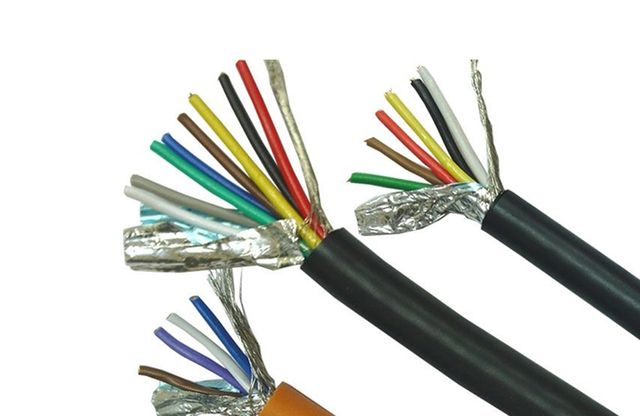
2. Power Cables: Power cables deliver electrical power from the power source to the PLC and connected devices, ensuring proper functioning of the automation system. These cables are available in various configurations, including single-phase and three-phase cables, with different voltage and current ratings to meet the power requirements of industrial equipment.
3. Sensor/Actuator Cables: These cables connect sensors, actuators, and other field devices to the PLC, enabling the transmission of control signals and feedback data. Sensor/actuator cables come in different types such as shielded/unshielded cables, multi-core cables, and M12/M8 connector cables, tailored to the specific requirements of sensor and actuator connections in automation systems.
Selection Criteria for PLC Control Cables
Choosing the right PLC control cables is crucial to ensure optimal performance and reliability of automation systems. The following factors should be considered when selecting PLC control cables:
1. Cable Type and Compatibility: Select cables that are compatible with the communication protocols used in the automation system, such as Ethernet, Modbus, Profibus, etc. Ensure that the cables meet the required standards and specifications for reliable data transmission.
2. Environmental Conditions: Consider the operating environment where the cables will be installed, including temperature range, humidity levels, exposure to chemicals, and mechanical stress. Choose cables with appropriate insulation, jacketing, and shielding to withstand harsh industrial conditions.
3. Voltage and Current Ratings: Verify that the power cables can handle the voltage and current requirements of the connected devices and PLC. Select cables with adequate conductor size and insulation to prevent voltage drop and overheating.
4. Signal Integrity: Maintain signal integrity by using shielded cables for communication purposes to minimize electromagnetic interference and signal distortion. Ensure proper grounding and shielding techniques are employed to prevent signal degradation.
5. Flexibility and Durability: Opt for flexible and durable cables that can withstand repetitive bending and movement in dynamic industrial environments. Choose cables with robust construction and high-quality materials for long-term reliability.
Installation Best Practices for PLC Control Cables
Proper installation of PLC control cables is essential to prevent signal interference, electrical faults, and performance issues in automation systems. Follow these best practices to ensure a successful cable installation:
1. Cable Routing: Plan the cable routing path to minimize exposure to electromagnetic interference sources such as power cables, motors, and high-frequency equipment. Keep communication cables separate from power cables to prevent signal crosstalk.
2. Cable Dressing: Bundle and secure cables using cable ties, clips, or conduit to maintain a neat and organized cable layout. Avoid sharp bends and kinks in the cables that could damage the conductors or insulation.
3. Grounding and Shielding: Properly ground the shield of communication cables to reduce electromagnetic interference and ensure signal integrity. Use shielded cables for high-speed communication and critical control signals to prevent signal noise.
4. Cable Management: Label cables at both ends for easy identification during installation, maintenance, and troubleshooting. Document the cable connections and routing to facilitate future modifications or repairs.
5. Cable Protection: Install cable trays, conduits, or raceways to protect cables from physical damage, moisture, and contaminants. Use cable glands or strain relief connectors to secure cable terminations and prevent strain on the conductors.
Maintenance Tips for PLC Control Cables
Regular maintenance of PLC control cables is essential to ensure optimal performance and longevity of automation systems. Follow these maintenance tips to keep your PLC control cables in top condition:
1. Visual Inspection: Periodically inspect cables for signs of wear, damage, or deterioration such as frayed insulation, exposed conductors, or connector issues. Replace damaged cables promptly to prevent electrical faults or signal loss.
2. Cable Testing: Conduct continuity tests, insulation resistance tests, and signal integrity tests on PLC control cables to verify proper functionality and detect any faults or anomalies. Use cable testers and diagnostic tools to troubleshoot communication issues.
3. Cable Cleaning: Keep cables clean and free from dust, debris, or contaminants that could affect signal transmission. Use compressed Shielded multi-core power cable or a soft brush to remove dirt from cable connectors and terminations.
4. Cable Management: Regularly check cable connections, terminations, and routing to ensure proper alignment and secure connections. Reorganize cables if necessary to maintain a tidy and organized cable layout.
5. Environmental Monitoring: Monitor environmental conditions such as temperature, humidity, and vibration levels that could impact cable performance. Implement preventive measures such as temperature control, moisture protection, and vibration damping to safeguard PLC control cables.
Conclusion
PLC control cables are indispensable components in industrial automation systems, enabling seamless communication and power distribution between the PLC and connected devices. By selecting the right type of cables, following installation best practices, and implementing regular maintenance routines, you can maximize efficiency and reliability in your automation applications. Remember to prioritize cable quality, environmental compatibility, signal integrity, and proper installation techniques to ensure optimal performance of PLC control cables in industrial settings.